
All households, businesses, and construction sites in the UK produce waste every day, but many still fail to dispose of it correctly. Waste management has changed in recent years, with stricter environmental regulations and greater awareness of our ecological footprint. Whether it is sorting recyclables in your kitchen or managing mass commercial collections, proper waste management demands both knowledge and organisation. It is important because how you dispose of waste directly affects local landfills, and the environment.
Here is an all-inclusive, comprehensive guide to simple household sorting to complex waste management UK, which will assist you in adhering to the rules and regulations while making responsible decisions that will positively impact your community and the environment.
Types of Waste in the UK
First, you must determine the type of waste you are handling before choosing the appropriate disposal method. Skip hire services UK providers divide waste streams into different groups, and each must be handled according to specific rules.
Household waste
Household waste management in the UK includes the collection and disposal of general waste, dry recyclables, glass, metals, plastics, food waste, and garden waste. Most local councils provide colour-coded bins to help residents separate materials at the source, reducing contamination and improving recycling rates.
If you’re looking to get rid of garden waste, many councils offer dedicated green bin collections or seasonal subscription services to ensure organic materials are composted responsibly rather than sent to landfill.
To better understand how different materials are classified and handled, explore our detailed guide on types of household waste, which explains what can and cannot be recycled and how to dispose of each waste stream responsibly.
Commercial and construction waste
In the UK, commercial waste management sees businesses generate similar materials in larger quantities, along with packaging waste and office consumables. Construction waste management UK introduces complexity with materials from concrete and bricks to hazardous items like asbestos and treated timber. The difference matters because mixing incompatible waste types can contaminate entire loads and render recyclable materials unusable.
Proper segregation starts at home, so learn how to segregate waste at home to maximise recycling efforts.
Waste Management Methods Explained
Once you have identified the type of waste, the next step is how you will dispose of it. The UK is using several strategies to manage the waste. Those are:
Landfilling
The last and least preferred alternative in landfilling, which is used in case the material cannot be recycled in any other manner. But modern landfills have protective liners and management systems to prevent groundwater contamination.
Energy recovery
Incineration with energy recovery burns waste at high temperatures, thus generating electricity while reducing volume by 90%.
Organic processing
One method is to digest organic waste anaerobically in oxygen-free conditions to generate biogas and digestate as byproducts for agricultural use. Moreover, composting recycles garden and food waste into soil, which forms a complete nutrient cycle.
Material recovery
The other one is material recovery, in which mechanical-biological treatment, sorting machinery, and biological processes are used to retrieve recyclables and stabilise residual waste before disposal.
Each method suits particular types of waste, which is why the best waste management practices in the UK emphasise selecting the right approach.
Recycling in the UK: How It Works
Recycling represents one of the most important waste management methods. It is how your discarded items actually get transformed back into usable materials.
The sorting process
Once you place items in your recycling bin, they are transferred to the sorting plants. The mixed-recycled materials are transported to material recovery facilities, where they are separated by automated and manual sorting into various categories. Magnets pull out ferrous metals; aluminium is separated using eddy-current separators; and plastic polymers are separated using optical scanners.
Material processing
The next step is material processing. Paper is taken to mills for pulping; glass is crushed and melted; metals are smashed and melted. Plastics are handled differently because various types of polymer need to be processed in separate streams to ensure quality.
Read more: Common Recycling Mistakes to Avoid, Recycling Plastic Waste
Skip Hire and Waste Management Solutions
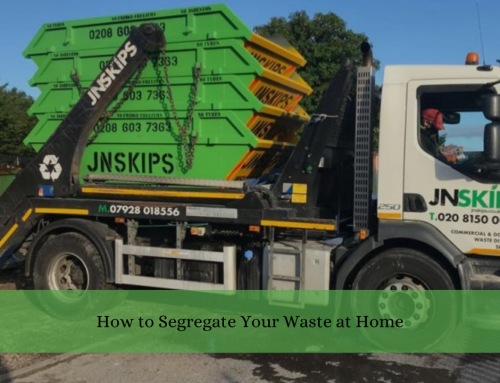
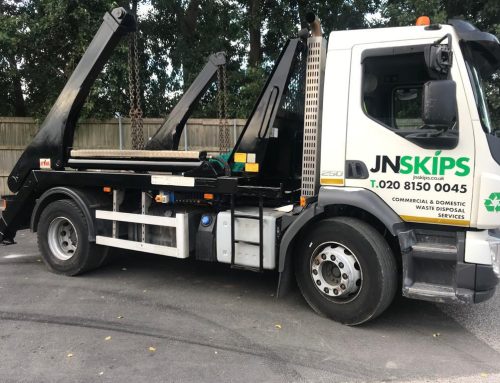
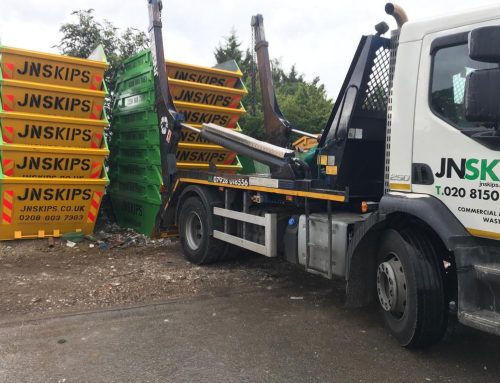
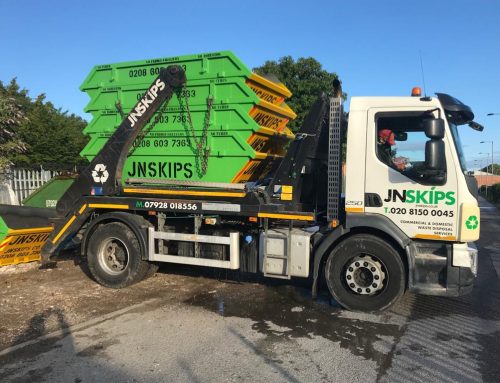
In cases when sustainable practices and regular collections cannot handle larger volumes, skip hire services UK offer an effective and affordable alternative to dispose of responsibly.
Skip hire options
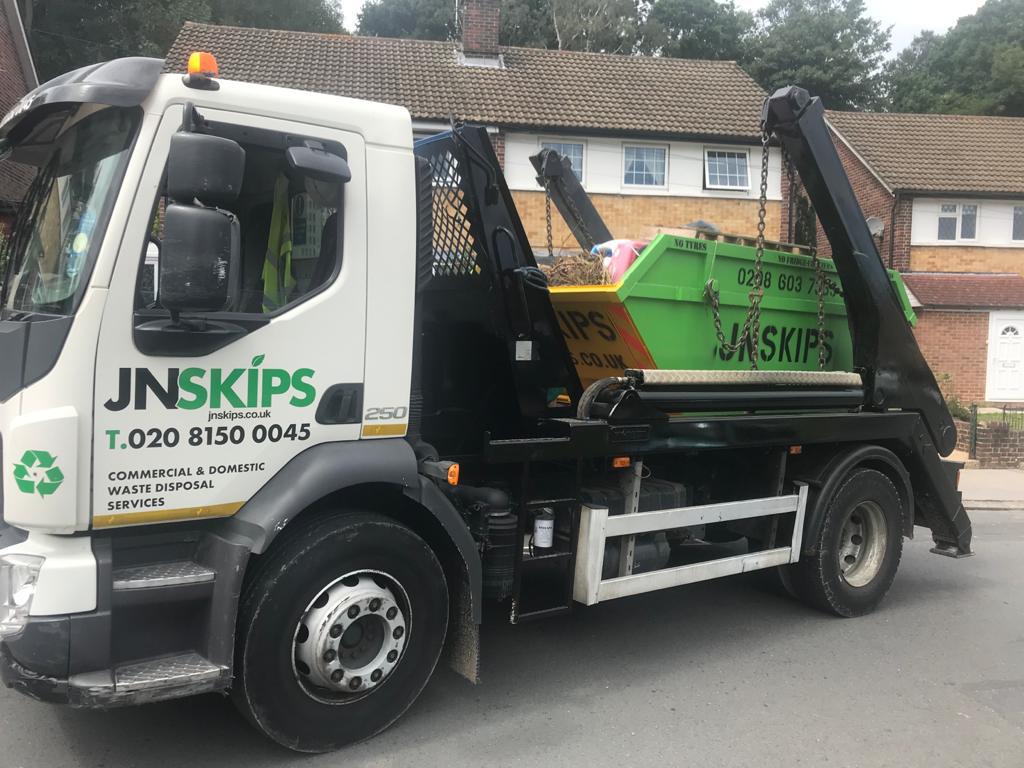
The skip hire services deliver containers directly to your location, and you can also opt for same day skip hire for urgent clearances. Another available service is wait and load skip, which is ideal for active projects that require immediate removal.
Domestic and Commercial solutions
The domestic skip hire handles home clearances, garden waste, and DIY projects with appropriately sized containers for residential access points and driveways. At the same time, the commercial skip hire manages ongoing business waste streams with flexible collection schedules. There is also roll-on roll-off skip hire, ideal for construction sites and industrial premises that require maximum capacity for bulky materials.
Explore our guide to skip waste recycling and ways to make skip hire sustainable for environmentally responsible project management.
Choosing the Right Waste Management Provider
With various skip hire and waste management options available, finding a reliable waste management UK partner protects you legally and supports the maintenance of environmental values during the disposal process.
Look for providers who will provide clear information on what happens with your waste, what percentage of their waste is genuinely sustainable, and how they treat the different material streams. Look for:
- Quality of service and support
- Regulatory compliance
- Cost effectiveness
- Flexibility and adaptability
- References and reviews
It is also worth understanding the growing role of AI in waste management. Many modern providers now use artificial intelligence to improve waste sorting accuracy, reduce contamination, optimise collection routes, and increase recycling rates. AI-powered systems can identify materials more efficiently than manual processes, helping businesses and households achieve better environmental outcomes while lowering operational costs.
Conclusion
A good waste management UK protects our environment while fulfilling legal obligations that apply to every household and business. The journey from understanding waste types to selecting appropriate disposal methods requires both knowledge and a commitment to responsible practices. Whether you are managing daily household recycling, coordinating commercial collection, or overseeing construction site clearances, the principles remain consistent: reduce consumption wherever possible, reuse items that retain useful life, and recycle everything else through proper licensed channels.
When your project requires professional support, JN Skips delivers reliable solutions across the complete range of domestic and commercial requirements. Request a free quote today to find out how expert skip hire services simplify your disposal, maximise recycling, and minimise environmental impact.