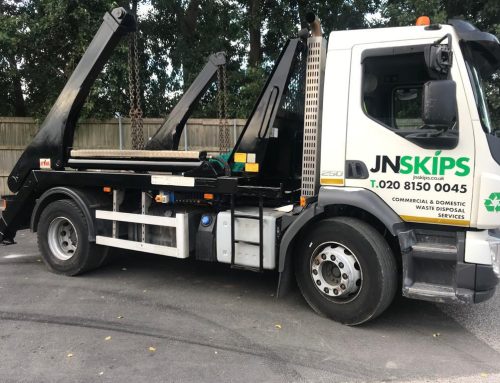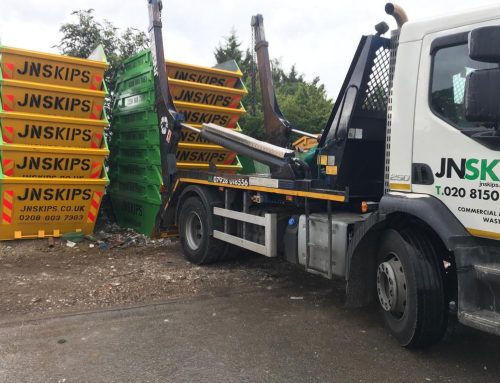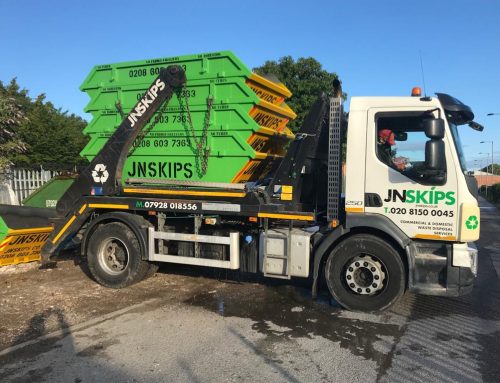


One of the easiest ways to deal with larger quantities of household, garden, renovation, construction, and commercial waste is to hire a skip. When hiring a skip for the first time, you may have a few questions. Which size skip should I get? How much does it cost to hire a skip? What can I put in a skip? How much does it cost to hire a skip? What can I put in a skip? Do I need a permit? What is the maximum number of days I can leave a skip? Where can the skip be placed? This guide covers all these questions and helps you through the entire skip hire process.
How Does Skip Hire Work?
Skip hire is as easy as most people think. It begins with an approximate calculation of the volume and type of waste, then selecting the right-sized skip to match. From there, you can choose where the skip will go and determine whether the skipper needs a permit for the area. Then it’s sorted, delivered, and loaded with acceptable waste.
The provider then picks it up and sends it off to be sorted, recycled, and disposed of. The process varies slightly depending on the project, type of waste, and where the skip is going, but the basic process is similar for most jobs.
What Skip Size Do I Need?
Skip size matters more than most people realize. If you choose a skip that’s too small, you may need a second skip or an additional one. If you choose a larger skip, you’ll waste space you don’t need. The following is a basic idea of the popular sizes:
Small Skips
These suit minor household clear-outs, garden tidy-ups, and smaller DIY jobs where the waste volume is limited.
Medium Skips
A popular choice for kitchen renovations, bathroom refurbishments and moderate household clearances that generate a steady but manageable amount of waste
Large Skips
Better suited to full house clearances, bulky waste, larger renovation projects and commercial jobs where volume builds up quickly.
How Much Does Skip Hire Cost?
There isn’t one fixed price that applies to every skip hire job. Costs vary depending on several factors, including the skip size, delivery location, the type of waste being disposed of, and how much it weighs. Hire duration also plays a part, along with whether the location needs a permit. Additional or restricted items can also increase the cost, and same-day or urgent delivery, where available, often carries its own pricing.
Rather than automatically choosing the smallest and cheapest option, it’s worth comparing the overall hire cost across a few providers, since a slightly larger skip at a similar price can sometimes work out better value than needing a second collection later.
What Are the Different Types of Skip Hire?
Skip hire isn’t only differentiated by physical size. What you actually need often depends on who you are and what kind of project you’re running.
Domestic Skip Hire
Covers house clearances, home renovations, DIY projects, moving home and general decluttering.
Garden Skip Hire
Suited to branches, soil, plants, and general garden clearance waste.
Commercial Skip Hire
Used by shops, offices and businesses, often with ongoing or recurring waste requirements
Construction Skip Hire
Built around building, refurbishment and construction projects that produce heavier or bulker waste.
Same-Day Skip Hire
For urgent waste removal needs, subject to availability with your chosen provider.
What Can You Put in a Skip?
Skips can handle a wide range of common waste materials, though not everything can legally or safely go into a general mixed-waste skip. Commonly accepted items include wood, furniture, garden waste, general household waste, bricks, rubble, metal, plastic, and non-electrical fittings. That said, acceptance can vary by skip and waste type, so it’s always worth confirming anything unusual with your provider before booking, rather than assuming it will be fine.
What Can’t You Put in a Skip?
Alongside accepted materials, there’s a list of prohibited and restricted items you need to know about. These typically include asbestos, hazardous chemicals, batteries, gas cylinders, paint and solvents, certain electrical items, tyres, medical waste and liquids. Some of these aren’t necessarily banned outright, but they may require specialist disposal or come with additional charges attached.
Do You Need a Permit for a Skip?
Whether you need a permit largely depends on where the skip is going.
Skip on Private Property
If the skip sits on a driveway or other private land, you generally don’t need a permit.
Skip on a Public Road
Placing a skip on a public highway usually requires permission from the relevant local authority first. Requirements and charges can vary between councils, and there may be additional rules around safety lights, reflective markings, positioning, traffic visibility, and how long the skip can stay in place.
Where Can You Put a Skip?
Common placement options include a driveway, other private property, a construction site, commercial premises, or a public road with the right permission arranged in advance. Before the delivery vehicle arrives, it’s worth thinking through a few practical points: how much space is available, whether any low trees or gates might get in the way, any width restrictions, parked vehicles, overhead cables, and whether the surface underneath is strong enough to take the weight.
How Long Can You Hire a Skip For?
Hire periods vary by provider and what’s agreed at booking. Shorter jobs typically need less time, while longer renovation projects call for an extended hire period. Collection is normally arranged for a set date, though early collection and extensions are usually possible, sometimes with an additional charge attached. It’s generally worth estimating how long your project will actually take before booking, rather than keeping a skip on site for longer than necessary.
How to Fill a Skip Correctly
Making the most of the space you’ve paid for comes down to a few simple habits. Break down bulky items where you can, place flatter or heavier items towards the bottom, and fill gaps with smaller waste rather than leaving pockets of space. Distribute everything sensibly across the skip, and avoid exceeding the fill line or letting anything protrude over the edge. An overloaded skip isn’t just a safety issue during transport. It can also lead to additional charges or the provider refusing collection altogether.
What Happens to Your Waste After the Skip Is Collected?
Once your skip is collected, it doesn’t simply go straight to landfill. It typically travels from collection to a waste transfer facility, where it’s sorted and separated by material. From there, recoverable materials such as metal, wood, soil, hardcore and plastics move into recycling or recovery. Whatever’s left is disposed of responsibly. This is part of why choosing a properly licensed waste carrier matters. It affects how much of your waste actually gets diverted from landfill.
Skip Hire vs Rubbish Removal: Which Should You Choose?
Skip Hire: Works well when waste builds up gradually, and you want time to load it yourself, at your own pace.
Rubbish Removal / Wait & Load: A better option when waste is already prepared and ready to go, when space is limited, or when you’d rather not have a skip sitting on the property for days.
The right choice usually comes down to the amount of waste you’re dealing with, the space available, how it needs loading, how long the project will run, access to the property, and simple convenience.
How to Choose a Reliable Skip Hire Company
Not every provider offers the same level of service, so it’s worth checking a few things before booking. Look for appropriate waste carrier licensing, clear upfront pricing, and a decent range of skip sizes. Reliable delivery and collection matter, along with permit assistance if you need a skip on a public road, and responsible waste handling once it’s collected. Local knowledge, genuine customer reviews, easy booking, and helpful advice also matter. Choosing purely on the lowest advertised price isn’t always the smartest approach, since it can end up costing more if service or reliability falls short.
Booking the Right Skip for Your Project
Before booking, it helps to run through a few questions: how much waste will you have, what type is it, what skip size fits, where will it go, will you need a permit, how long will you need it, and can the delivery vehicle actually access the property? Working through these in advance makes the whole process smoother from start to finish. If you are looking for reliable skip hire, don’t wait too long.
Check Skip Sizes & Prices and Book Your Skip Online today!